Difference doesn’t cut it: why standing for something is so much more powerful than simply standing out
“Dare to be different,” is a saying we’ve probably all seen on a poster in a school counsellor’s office. The one I’m thinking of had a field of yellow tulips on it, with a single red tulip in the centre, and it was taped to the wall right next to one of a kitten clinging to a tree branch that read, “Hang in there.”
Telling a bunch of adolescents who desperately want to fit in that they should have the courage to stand out is a total waste of time. Step out of the classroom and into the boardroom though, and suddenly people can’t get enough of it.
There’s more to differentiation than difference.
In a world where consumers have more options and more information than ever, finding a way to offer them something unique is getting more challenging - that red tulip is becoming increasingly elusive.
It’s not enough to use a colour palette none of your competitors are using; it’s not enough to have a logo that sticks in people’s minds; it’s not enough to be different.
Daring to go against convention is no small feat, but if it isn’t driven by something much bigger, difference will always date. Standing out isn’t the real challenge here: standing for something is.
Consumers crave connection. Meaning makes it happen.
Is it possible to appeal to consumers on price or product alone? Absolutely. But not every brand can do that and not every consumer is so easily won over; more and more people (nearly 65%) are putting their money where their morals are and choosing to patronise companies that reflect their stance on political and social issues – and boycott those that don’t.
Consumers crave connection on every level, from political to personal. And cultivating that connection makes a difference across the board, from getting them through the proverbial door, to getting them to stick around. Businesses see much higher customer value when they manage to understand the core motivations of their audience and answer to their emotional needs.
In other words, brands built around a central idea or belief – brands that mean something and thread that significance through everything they do – are more likely to resonate with consumers on an emotional level, and brands that resonate with consumers on an emotional level stand to profit from it.
Meaning makes powerful creative fuel.
That’s the business case for meaning, but there’s a creative case for it too. Meaning is the magic behind the best identities. It’s what makes them last. Root your visual and verbal choices in your reason for being and suddenly you’ve got a brand that’s as ownable as it is recognisable. More than that, you’ve got a source of inspiration that just keeps giving.
There are a million different ways to express an idea creatively. Finding that idea is the tricky part, but once you do, it becomes the single most powerful tool for shaping your identity. It shapes the story your brand tells the world, whether through a name, a campaign, or a motion system, and when the different elements of your identity come together to tell the same story, you end up with something that resonates with more people, more authentically.
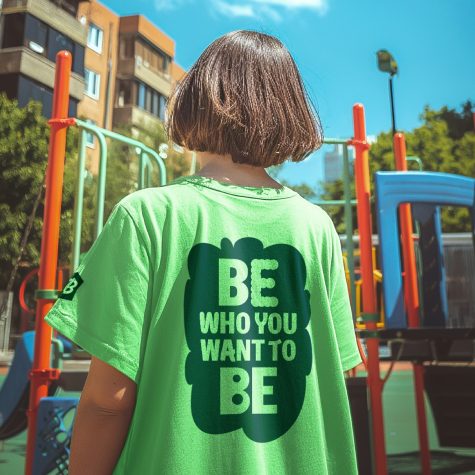
You can see this in action with our Barnardo’s rebrand. Perhaps the biggest challenge facing the children’s charity was the fact that their brand didn’t resonate with the young people they exist to support. Barnardo’s needed to do more than just resonate with kids: they needed to help them feel like they belonged.
To create a brand that does both, we worked alongside children, giving them space and materials to express their feelings. They created a visual lexicon of emotional experience that became the basis of the new brand, inspiring everything from the logo to the bespoke typeface.
Ideas of belonging and safety are baked into the brand at every level. Even the holding space around the logo stands as a proxy for Barnardo’s itself, creating room for the mark’s expressiveness just like Barnardo’s creates a safe space for children to express their feelings.
The best brands are built on bright ideas.
There are plenty of more singular examples of this across the branding world, from i-D magazine’s iconic winking models to the immediately recognisable O2 bubbles. The world’s most successful brands are masters of meaning, continually reinforcing the big ideas at their core. It’s our job to help spot them: to help make that red tulip a little easier to find.