
Faking it isn't making it
🚨None of what you’re about to read has been written using AI🚨.
This may turn out to be a mistake as I haven’t written anything ‘properly’ for a good 10 years - so good luck.
But maybe that’s where the charm comes from. When you can see through the sentences that sound a bit clunky, to the genuine interest from the person typing their thoughts.
We’re well into 2026 and life before AI is already becoming a distant memory. And if you’re in the creative industry you’ve undoubtedly encountered the growing reluctance in clients to spend money on design, illustration and photography. Tighter deadlines. Tighter budgets. And a lack of understanding as to why they shouldn’t use something “nearly” as good that can be completed in under an hour, and for no more cost than a month's subscription of Midjourney.
The good, the bad and the incredibly fake looking
In the past year we’ve seen brands rush to jump on the AI bandwagon, often to disastrous effect.
Coca-Cola is the largest soft drink company in the world and their beloved Christmas ads have been a household talking point since before I can remember. Everyone collectively felt the magic when we heard ‘the holidays are coming’. But last Christmas they used their spending power and influence for an ad ‘created by Real Magic AI’. Creepy looking animals, strange jerky movements - and people weren't happy.
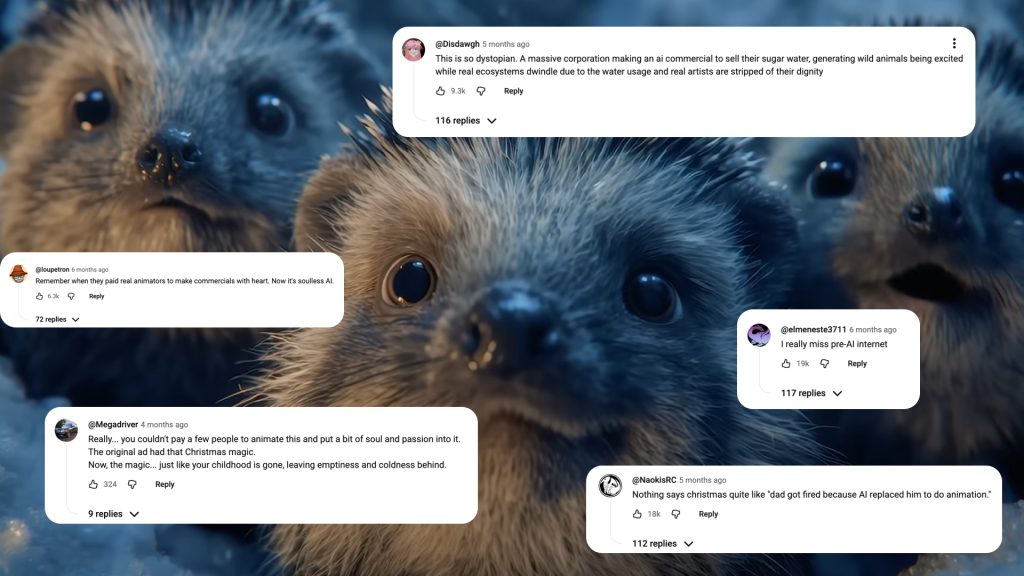
Coca-Cola | Holidays Are Coming (YouTube)
Manchester airport has been thrust into the AI spotlight after visitors spotted extra limbs and fake writing on their giant entryway billboard. I never thought I’d long to see a cheesy Shutterstock photo - but here we are.
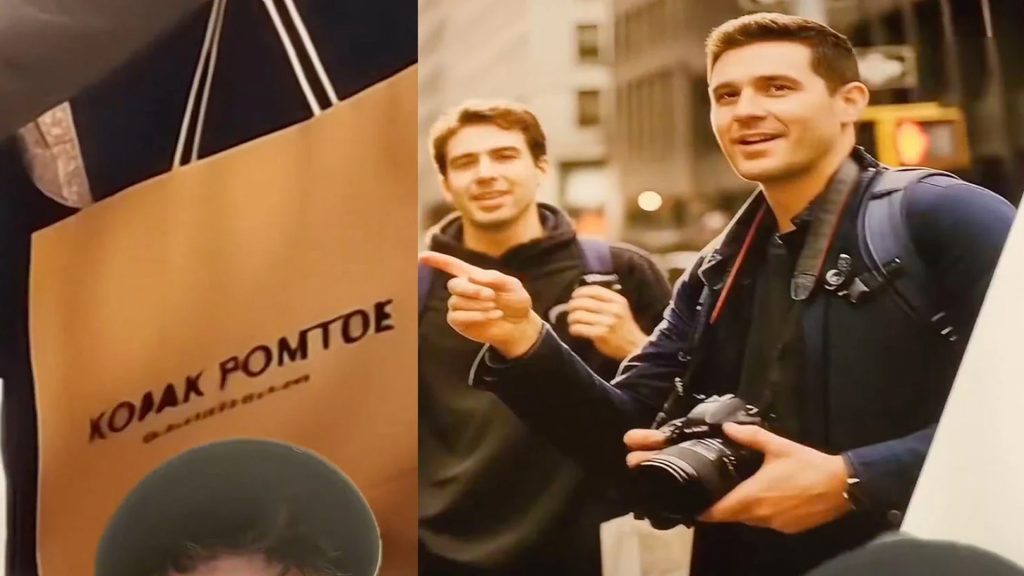
Manchester airport billboard (petapixel.com)
Even the intro video for the Winter Olympics 2026 was found out to be made with AI, with several giveaways including warped faces, awkward transitions and even their logo being used incorrectly. It’s a stark contrast from the incredible dedication of the athletes competing – surely we owe as much from our design work?
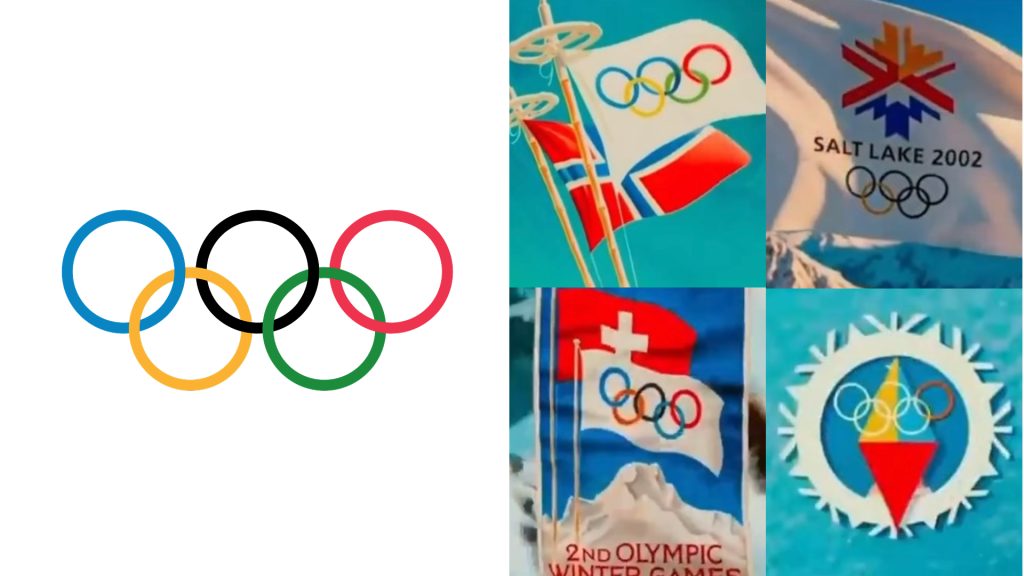
The Olympics Is Filled With AI SLOP | kat ‘n chat (YouTube)
It’s worrying to see the shift for some to use AI content as default. And more worrying still is the lack of accountability for the quality of content being created.
Brands that go down this route are saying just one thing to their customers – we think you’re stupid enough to believe this. But we’re not.
2026: The year of AI. The year of authenticity.
Whilst a photograph used to be a source of truth, we’re now left to question the legitimacy of every image we see. Collectively, we’re desperate for REAL again.
The Devil Wears Prada 2 (arguably one of the biggest films of the year for those into naughties romcoms) has shouted across our screens the importance of real human ideas in the creative world. They even went so far as to commission artist Alexis Franklin to create a real illustration in the style of an AI generated meme – and it got people talking. It’s only on screen for around 2 seconds, but the effort it took to create, and the story that now sits behind it has become its own talking point, and in turn, given the film more credibility.
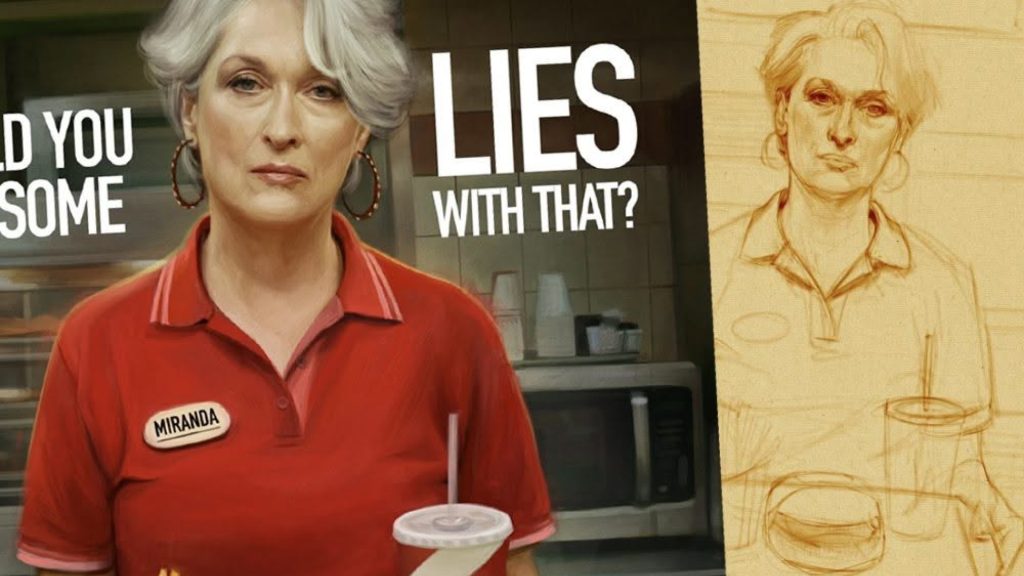
Human-made ‘AI meme’ from The Devil Wears Prada 2 (Creative Bloq)
A rising number of artists, photographers, illustrators and designers are sharing the hours of craft that go into their work – and for those who feel like they’re drowning in a sea of AI, it’s a breath of fresh air.
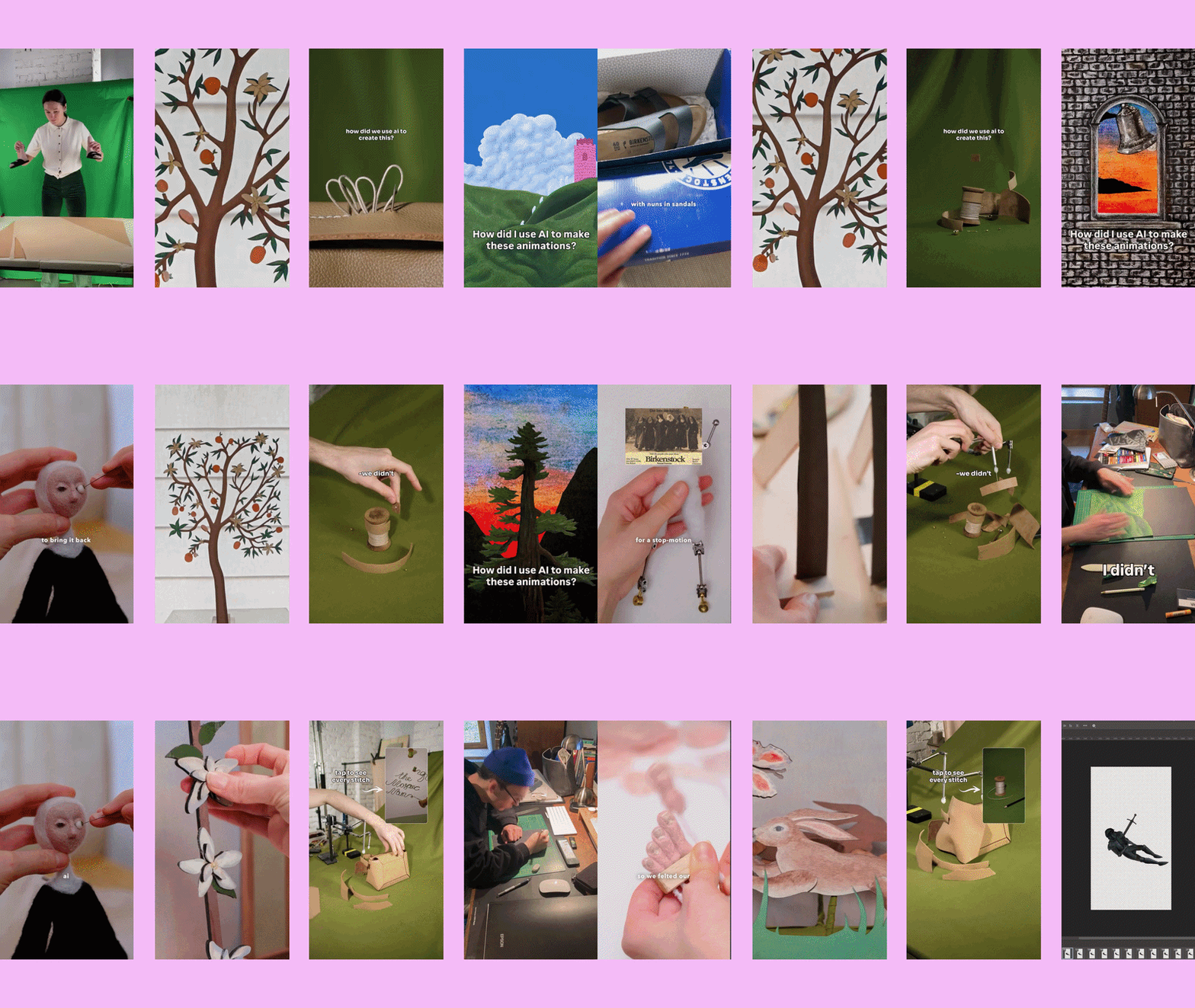
@so.daze | @alixbortoli | @elsamuse | @thedeadhandprogram
Some brands are seeing this as an opportunity.
Apple has released ‘making of’ videos for both their new logo animation and their Mac book Neo advert. This cleverly aligns with their positioning as creative pioneers and gets their target market (the design community) on side.
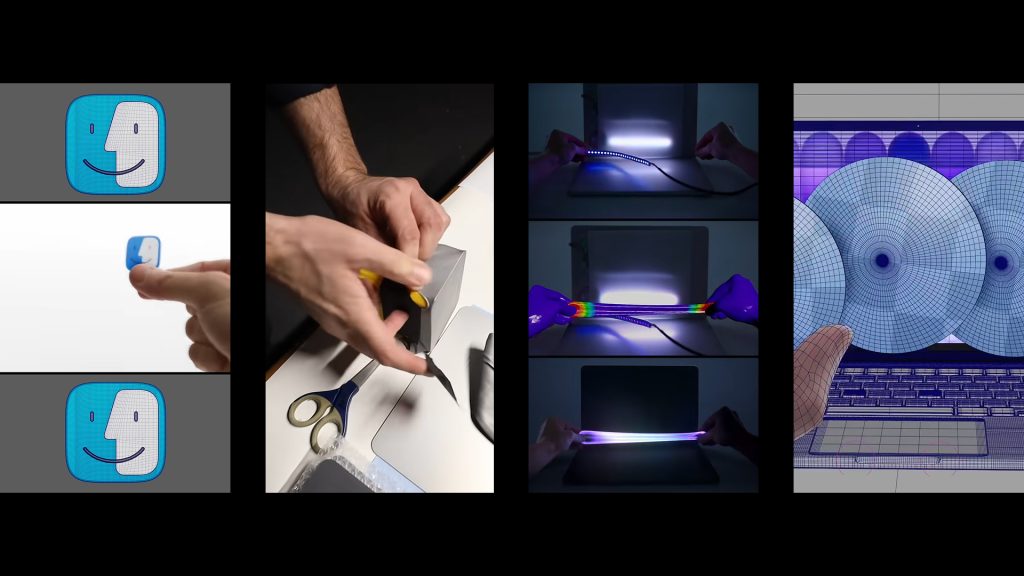
A peek at some handmade magic | Apple (YouTube)
BBC Sport's intro for the World Cup 2026 was nothing short of a multi-media stop motion masterpiece that includes knitwear, pin badges and even animated football nails (take note Winter Olympics 2026). If you haven’t already seen it then give it a watch here, as well as the behind the scenes story of their content creation.
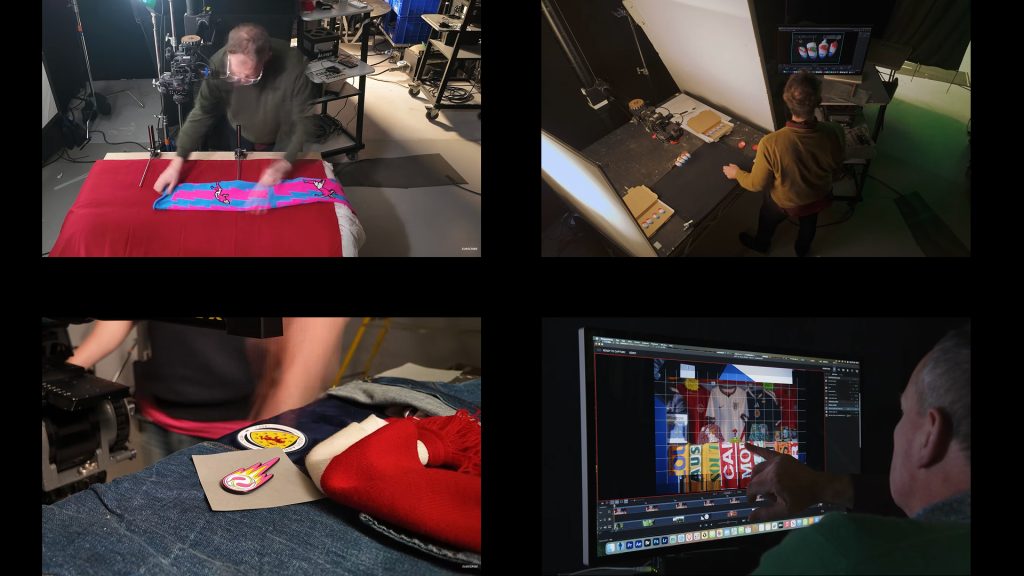
BBC World Cup 2026 Making Of Titles | BBC (YouTube)
And finally, imagine what it takes to film a romantic figure skating routine where a man falls in love with a giant chicken drumstick – without it feeling like a cheesy gimmick. The answer, according to director Stephen Hunt, is a brilliant team of directors, actors, costume designers, model makers, movement directors, cinematographers and puppeteers. KFC's recent ‘Go Full Chicken’ campaign hits exactly the right note between humour and beauty. Both KFC and Hunt have published behind the scenes action, with Hunt even opening with “I need you to know, it’s not AI”.
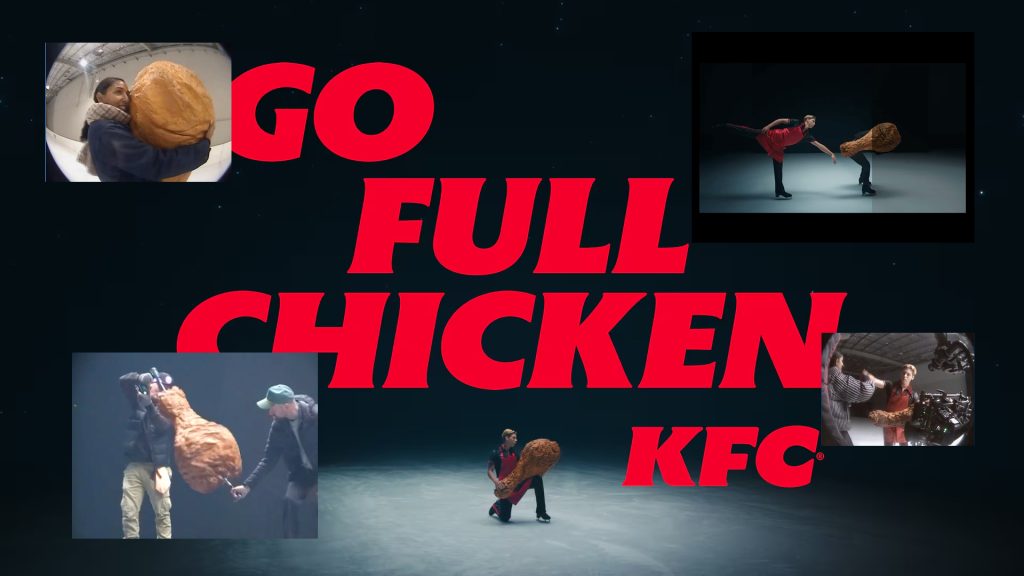
KFC Australia’s ‘Go Full Chicken’ campaign (Ad Age)
Human created > AI generated
Yes, it does feel like there is a growing desire in visual and brand design for real human creation and authenticity. And who knows, this might inspire more creative, hands-on and exciting work than we’ve even seen before. But realistically, that may not always be possible.
You might assume from this article that I’m rejecting using AI altogether. Not at all. I think it’s a powerful tool for concept creation that helps us designers share our ideas with clients in a much clearer way than a sketch and some notes ever could. As for converting that to a signed off budget to be developed with a human creator – that’s the tricky bit. Budget and time pressures can’t be ignored, but I will continue to advocate for human creations whenever I can, and make sure to speak out about the potential pitfalls of the alternative.
But what does that look like in the studio? It’s being clear about when we use AI in our work, and why. It’s helping clients see the long-term benefits of investing in human talent to create authentic brand imagery. And it’s working collaboratively to find the best possible creative solution.
As we collectively navigate further into the world of AI content creation we will all need to form our own opinions of how or if we use it. And that’s true for both those making the work and those commissioning it.
So whenever the potential of AI imagery pops up, ask yourself: Is this truly making the work stronger? Does this feel authentic? Could this damage brand integrity? And most importantly, will this add something to the brand that people will genuinely want to care about? If any answer to the above is ‘no’ then it’s time to do it the old fashioned way.